Until very recently, students were told that learning to code guaranteed them the ability to earn a good living. Then the world changed.
Other students have found Large Language Models (LLMs) that can “assist” with learning in ways their teachers cannot detect, providing those students more time to play games because they can avoid reading and writing.
A smaller subset of students have found that they can substitute LLMs for interpersonal relationships, never developing social skills to the extent that is necessary to live fulfilled lives.
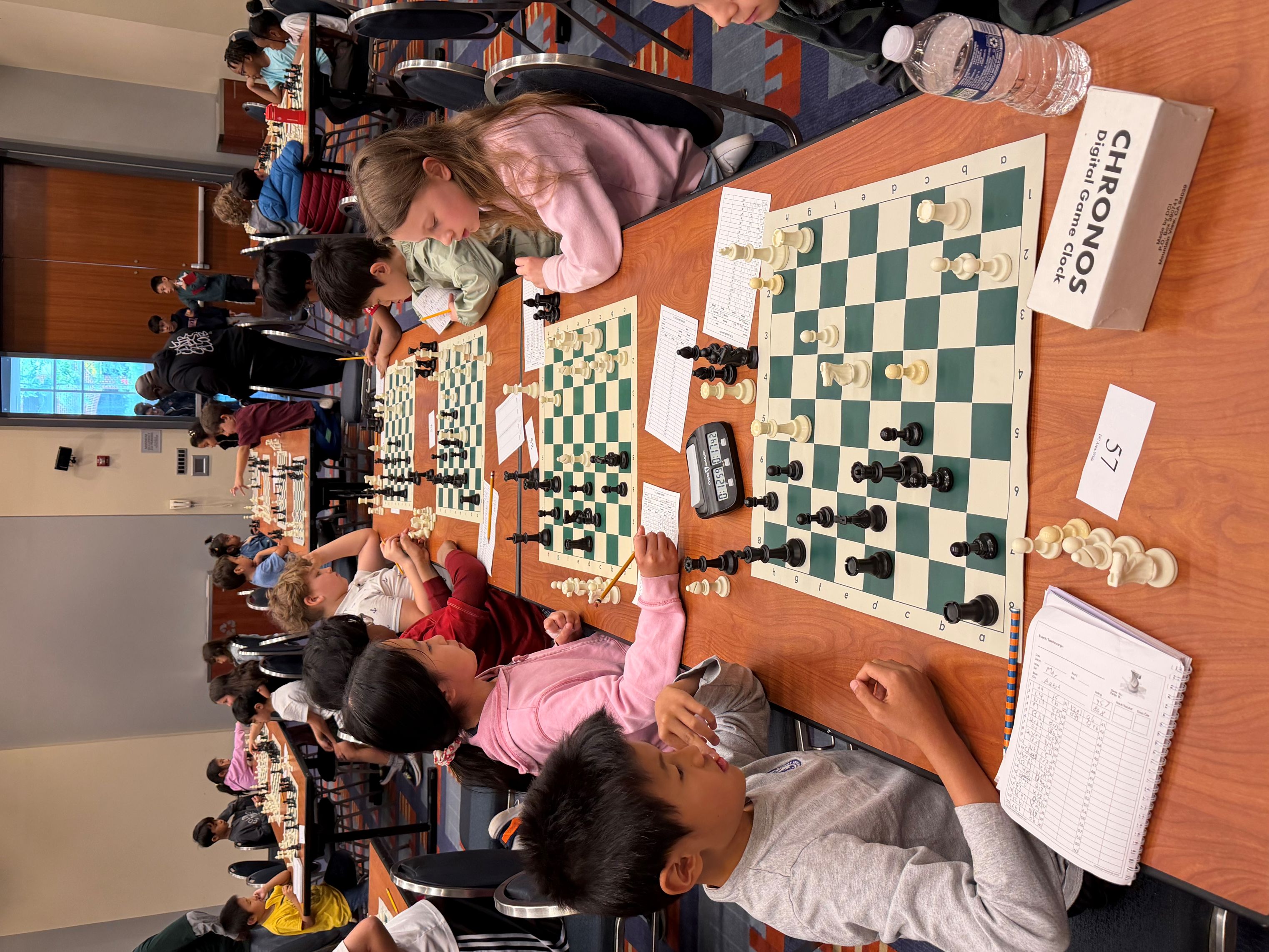
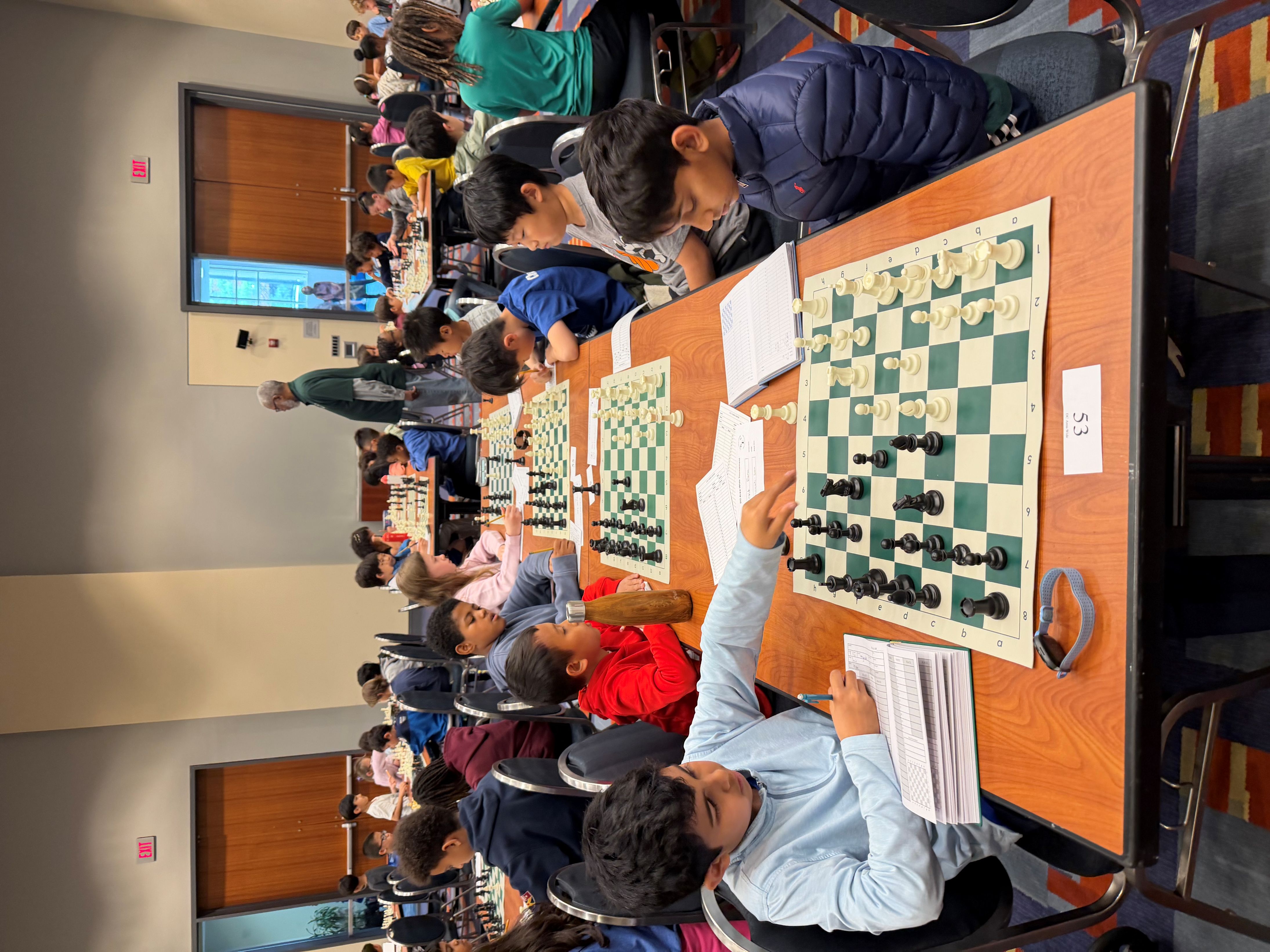
Here’s where chess comes in. Chess players have great advantages over those who do not learn the game. The nature of chess requires participants to engage in solving problems and thinking critically. When a chess player visualizes a desired position, then figures out how to achieve that position, that’s solving a problem – usually dozens of them.
Thinking critically, distinguishing correct answers while considering the alternatives, is an essential part of chess. When people develop critical thinking and problem-solving skills, AI won’t replace them.
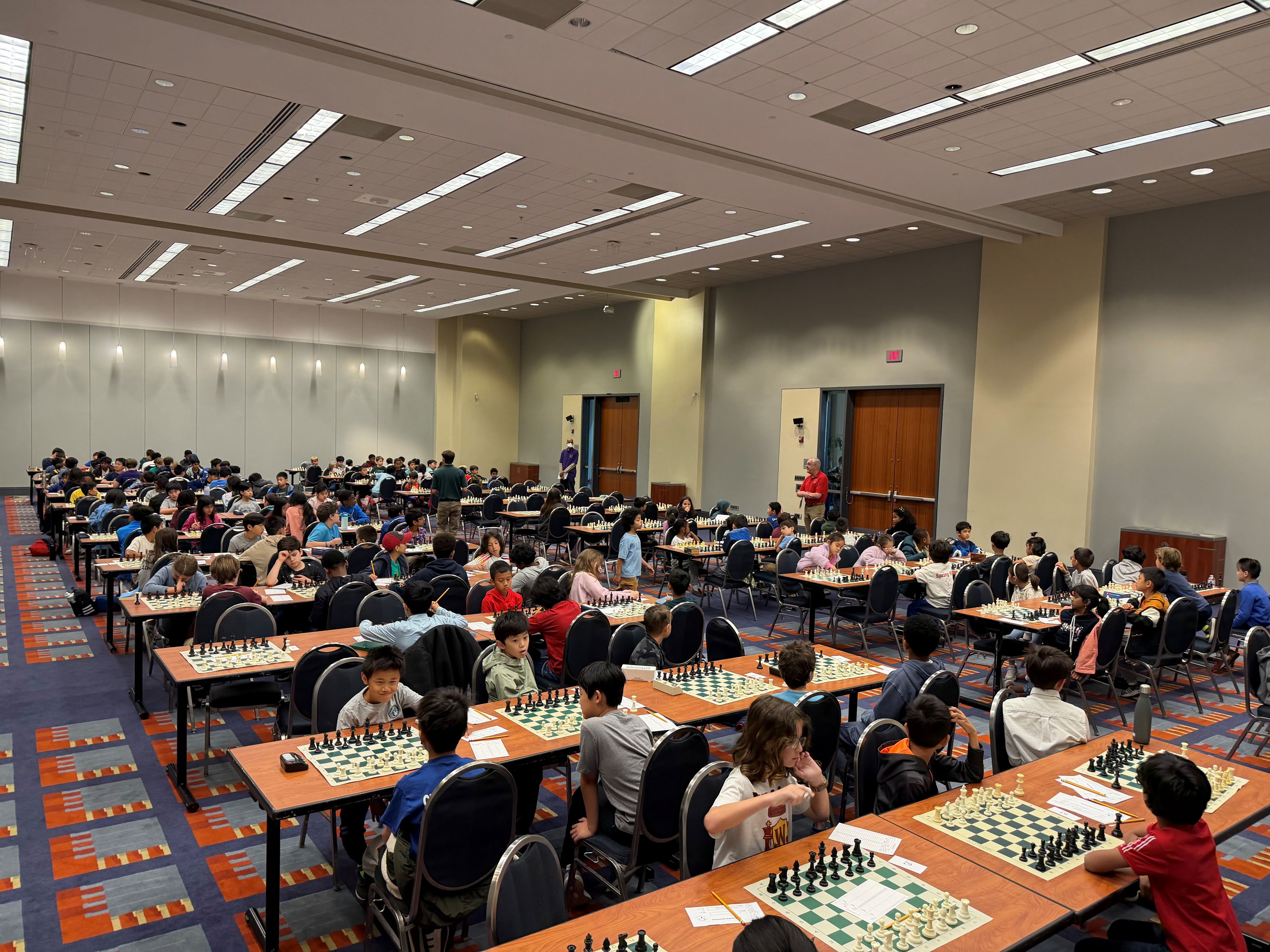
When people join the community of chess players, they have less reason to rely on LLMs for social relationships, which seem usually to be unhealthy. Being in a room with other chess players, conforming to the behavioral norms of tournament chess, develops social skills that are transferred to school and work settings.
Chess has abundant social and academic benefits. The same is not true for online chess, which really is a different activity, but that’s a topic for a future article.